
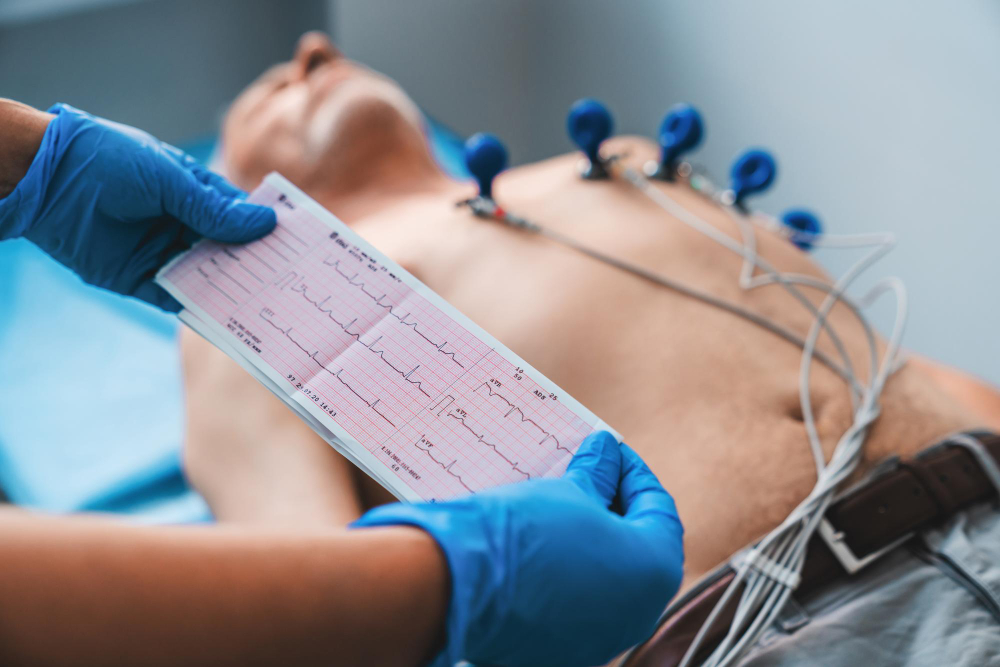
What is an ECG?
An ECG, or electrocardiogram, is a simple test that checks your heart’s electrical activity. Doctors use ECGs to find heart problems early. In fact, many people have an ECG during a routine checkup. The ECG test is quick, painless, and safe. According to the World Health Organization (WHO), ECGs help diagnose heart conditions worldwide.
How Does an ECG Work?
During an ECG, small sticky patches called electrodes are placed on your skin. These patches pick up electrical signals from your heart. Then, a machine records these signals as lines on paper or a screen. Because the heart’s rhythm and strength show up in these lines, doctors can spot problems easily. For example, an ECG can show if your heart beats too fast, too slow, or unevenly.
Common Reasons for an ECG
Doctors order ECGs for many reasons. Sometimes, they want to check your heart before surgery. Other times, they look for signs of heart disease. You may need an ECG if you have:
Additionally, some people get ECGs as part of a regular health check, especially if they have risk factors.
What to Expect During an ECG
First, you will lie down on a bed or table. Next, a nurse or technician will place electrodes on your chest, arms, and legs. The test itself takes only a few minutes. You will need to stay still and breathe normally. After the test, the patches are removed. Because the ECG test procedure is quick, you can return to your normal activities right away.
How to Prepare for an ECG
Usually, you do not need to do much to get ready for an ECG. However, you can follow these tips:
Because the test is simple, most people do not need to fast or stop medications. Still, always follow your doctor’s instructions.
Understanding ECG Results
After your ECG, a doctor will review the results. The lines on the ECG show your heart’s rhythm and rate. If the lines look normal, your heart is likely healthy. But if there are changes, it may mean:
However, sometimes an abnormal ECG does not mean you have a serious problem. Your doctor will explain what your ECG results mean for you. For more details, the Centers for Disease Control and Prevention (CDC) offers helpful resources.
Safety and Risks of ECG
ECG tests are very safe. The test does not send electricity into your body. Instead, it only reads your heart’s signals. Most people feel nothing during the test. Rarely, the sticky patches may cause mild skin irritation. Because ECGs are non-invasive, there are no serious risks. According to medical research, ECGs are safe for children and adults alike.
Frequently Asked Questions about ECG
Conclusion and Next Steps
In summary, an ECG is a quick, safe way to check your heart’s health. Because it helps doctors find heart problems early, it is an important test for many people. If you have questions about ECGs or your heart health, consult a healthcare professional at Hope Diagnostics for personalized advice about ECGs.