What is a CBC?
A Complete Blood Count (CBC) is a simple blood test. It checks the levels of different cells in your blood. These include red blood cells, white blood cells, and platelets. Doctors use the CBC test to learn about your overall health. Often, it helps find problems early, even before you feel sick.
Why is a CBC Ordered?
Doctors order a CBC for many reasons. Sometimes, it is part of a routine checkup. Other times, it helps find the cause of symptoms like tiredness or fever. In addition, a CBC can check for infections, anemia, or bleeding problems. It also helps monitor certain health conditions and treatments.
How is a CBC Performed?
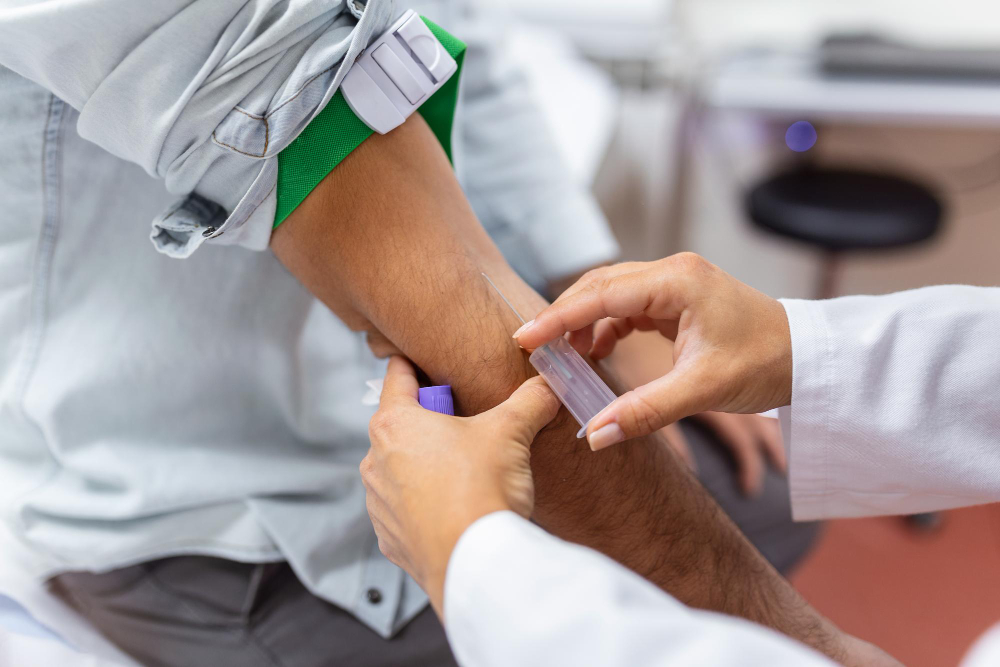
Getting a CBC test is quick and easy. First, a nurse or technician cleans your arm. Next, they use a small needle to take a blood sample. The blood goes into a tube. Then, the sample is sent to a lab for testing. The whole process usually takes less than five minutes.
What Do CBC Results Mean?
CBC results show the number and types of cells in your blood. Each part has a normal range. If your numbers are too high or too low, it may mean you have a health issue. However, only a doctor can explain what your results mean for you.
Doctors look at each part to find signs of anemia, infection, or bleeding. For example, a low red blood cell count may mean anemia. High white blood cells might show an infection. If you want to know more about CBC normal range or how to interpret CBC results, ask your doctor for details.
Common Symptoms or Reasons for a CBC
Doctors may suggest a CBC if you have certain symptoms. These can include:
Sometimes, a CBC is done before surgery or as part of a yearly checkup. In some cities, you can find CBC test centers nearby for quick results.
How to Prepare for a CBC Test
Usually, you do not need to do anything special before a CBC. You can eat and drink as normal. However, if your doctor orders other tests at the same time, you may need to fast. Always check with your healthcare provider for instructions.
What to Expect During and After the Test
During the CBC test, you may feel a quick pinch from the needle. Most people feel fine right after. Sometimes, you might have a small bruise or soreness where the blood was taken. But this goes away quickly. You can return to your normal activities right after the test.
Frequently Asked Questions About CBC
Conclusion
A Complete Blood Count (CBC) is a simple but important test. It helps doctors check your health and find problems early. If you have questions about your CBC results, consult a healthcare professional at Hope Diagnostics Laboratory for personalized advice.