Introduction to FNAC Biopsy
FNAC biopsy, also called Fine Needle Aspiration Cytology, is a simple test. Doctors use it to check lumps or swellings in the body. In many cases, an FNAC biopsy helps find out if a lump is harmless or if it needs more treatment. Because it is quick and safe, many people choose this test. If you need an FNAC biopsy in your city, this guide will help you understand what to expect.
What Is an FNAC Biopsy?
FNAC biopsy stands for Fine Needle Aspiration Cytology. It is a test where a thin needle is used to take a small sample of cells from a lump or swelling. After that, these cells are checked under a microscope. This helps doctors find out if the lump is cancer, an infection, or something else. Unlike other tests, FNAC biopsy does not need a big cut or surgery.
When and Why Is FNAC Biopsy Recommended?
Doctors may suggest an FNAC biopsy for several reasons. Usually, it is recommended when you have a lump in your neck, breast, thyroid, or other parts of the body. Sometimes, it is used to check swollen lymph nodes. In other cases, it helps find out if a lump is cancerous or not. Because the test is quick, it gives answers faster than some other tests.
How Is the FNAC Biopsy Procedure Performed?
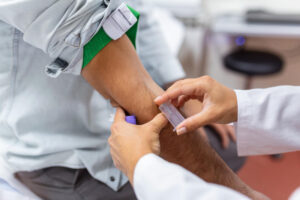
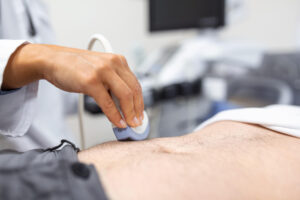
First, the doctor will clean the skin over the lump. Next, a thin, hollow needle is gently pushed into the lump. Then, the doctor pulls out a small sample of cells. Sometimes, an ultrasound helps guide the needle. The whole fine needle aspiration procedure usually takes less than 15 minutes. After the sample is taken, it is sent to a lab for testing.
Preparation Steps for Patients
Getting ready for an FNAC biopsy is easy. Most people do not need special steps. However, you should tell your doctor if you take blood thinners or have allergies. In some cases, you may need to stop certain medicines before the test. Also, wear comfortable clothes and avoid wearing jewelry near the test area. If you have questions, ask your doctor before the day of the test.
Benefits and Advantages of FNAC Biopsy
FNAC biopsy offers many benefits. For example, it is less painful than other types of biopsies. Also, it does not leave a big scar. Because the needle is thin, there is less risk of infection. In addition, the test is quick and you can go home the same day. Here are some key FNAC biopsy benefits:
Possible Risks and Side Effects
Although FNAC biopsy is safe, there are some risks. Most people have only mild side effects. For instance, you may feel a little pain or see a small bruise where the needle went in. Rarely, there may be bleeding or infection. However, these problems are uncommon. If you notice swelling, redness, or fever after the test, call your doctor right away. For more on FNAC test risks, you can check trusted sources like the World Health Organization (WHO).
What to Expect After the Procedure
After the FNAC biopsy, you can usually go home right away. Most people feel fine and can return to normal activities. Sometimes, there may be mild soreness or a small bruise. You can use a cold pack to help with swelling. If you have pain, ask your doctor if you can take medicine. Usually, results are ready in a few days. Your doctor will explain what the results mean and what steps to take next.
Frequently Asked Questions About FNAC Biopsy
When to Consult a Healthcare Provider
If you notice a new lump or swelling, see your doctor. Also, if you have pain, fever, or changes in your body, get checked. After an FNAC biopsy, contact your healthcare provider if you have heavy bleeding, redness, or fever. Early care can help prevent problems and guide treatment.
Conclusion
FNAC biopsy is a safe and simple test to check lumps or swellings. Because it is quick and has few risks, many doctors recommend it. If you have questions about the fine needle aspiration procedure, talk to your healthcare provider at Hope Diagnostics. Consult a healthcare specialist to learn if an FNAC biopsy is right for you.